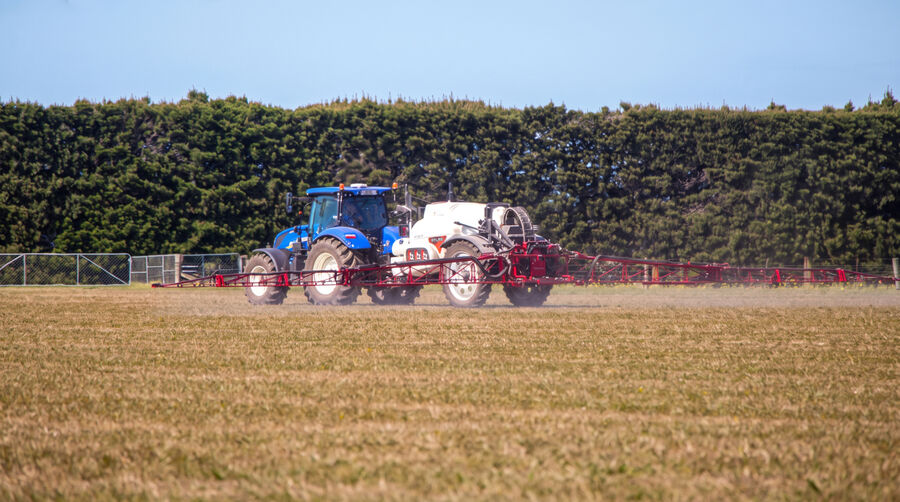
Spring crop establishment often comes down to getting a number of small decisions right.
When direct drilling is part of the plan, one of those decisions happens well before the drill enters the paddock: when to spray out the existing vegetation.
It can be tempting to leave a pasture or cover growing for as long as possible, particularly when there is useful feed sitting in front of you. But every extra day that vegetation remains actively growing, it continues to draw water from the soil profile.
In a season where moisture could become limiting, that can mean using water now that your establishing crop may need later.
The moisture cost of leaving spray-out too late
Actively growing plants lose water through transpiration. Until the existing vegetation is effectively terminated, its root system continues to access moisture from throughout the soil profile.
That matters with direct drilling because there is no cultivation step to change the soil environment before establishment.
An earlier spray-out can create a period between termination and drilling where water use from the existing vegetation is reduced, helping retain more of the moisture already sitting in the profile for the following crop.
Why establishment is where it matters
A newly germinating crop has a relatively small root system and limited ability to chase moisture deeper in the profile.
Good seed-to-soil contact is important, but the crop also needs adequate moisture around the seed zone to germinate and establish evenly.
If conditions turn dry after drilling, the moisture conserved beforehand can become particularly valuable.
The objective is not simply to kill the existing pasture earlier. It is to give the next crop the best possible environment to establish into.
Earlier is not automatically better
There is no single spray-out date that will suit every paddock.
The right timing needs to consider the species being terminated, how actively it is growing, soil moisture, anticipated drilling date, the crop being established and the chemistry being used.
There can also be a trade-off between taking another grazing from a paddock and protecting moisture for the following crop.
That is where the decision becomes less about a date on the calendar and more about what you need that paddock to do next.
Plan ahead with your spray contractor
Spray-out timing is not only about deciding when a paddock should be terminated – it is also about making sure the job can happen when you need it to.
Spring is a busy time for spraying contractors, and deciding a paddock is ready to spray does not necessarily mean it can be done the next day. If you are relying on a contractor, good communication and a bit of forward planning can make a big difference.
Giving your contractor an early heads-up, along with an indication of your likely spray-out window, helps get the job on their radar and gives them a better chance of fitting it in at the right time.
That becomes particularly important when spray-out timing is part of your moisture management strategy. If the aim is to terminate existing vegetation early enough to conserve soil moisture ahead of drilling, delays of several days can start to work against that plan.
Think ahead of the drill
Successful direct drilling starts before drilling day.
If a spring crop is going into the ground over the coming weeks, now is the time to consider what is currently growing in that paddock, how much moisture it is using and when it needs to be terminated.
Because sometimes the moisture that determines establishment isn't the rain that arrives after drilling – it is the moisture you managed to keep in the soil beforehand.
Talk to your local Catalyst agronomist about spray-out timing and planning your spring crop establishment.